
Contents
Ferns are vascular plants belonging to the class Polypodiopsida. All ferns reproduce via spores and do not produce any flowers or seeds.
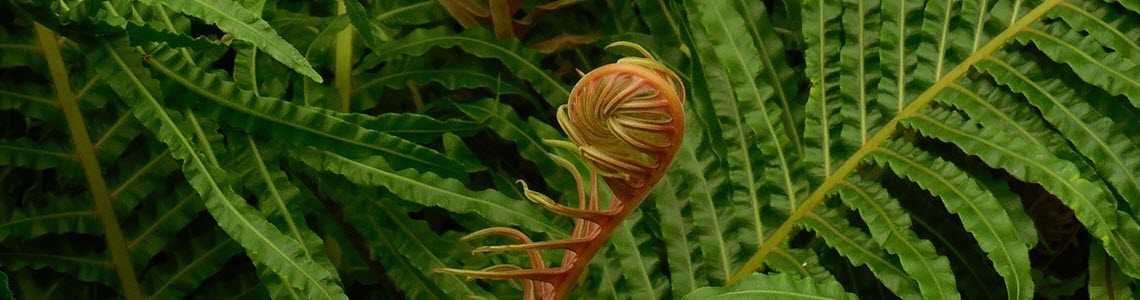
The class Polypodiopsida can be broadly divided into two main groups: leptosporangiate ferns and eusporangiate ferns. Leptosporangiate ferns develop coiled fiddleheads that uncoil and expand into fronds. Examples of eusporangiate ferns are the horsetails, marattioid ferns, and whisk ferns & moonworts.
Ferns are popular as ornamental plants – both indoors and outdoors – and some are also used as food or in alternative medicine. As ornamental plants, ferns can take on double roles and be planted to prevent erosion outdoors or absorb and trap certain pollutants present in indoor air.
During the Victorian era, keeping ferns as houseplants became super trendy throughout the British Empire. For more delicate ferns that had a hard time handling the indoor air, Wardian cases – a type of small greenhouses – were utilized to create a more controlled environment and keep the humidity up.
The Victorian craze for ferns broadened from a wish to simply keep ferns as houseplants to adorning pretty much any object with fern motifs. This was an age where ferns could be found depicted on pottery, glass, textiles, ironworks, wooden furniture, printed posters, and more. Ferns and artistic interpretations of ferns were considered appropriate for any occasion, from Christening presents to gravestone carvings.
Scientific classification
| Kingdom: | Plantae |
| Clade: | Tracheophytes |
| Class: | Polypodiopsida |
Where do they grow?
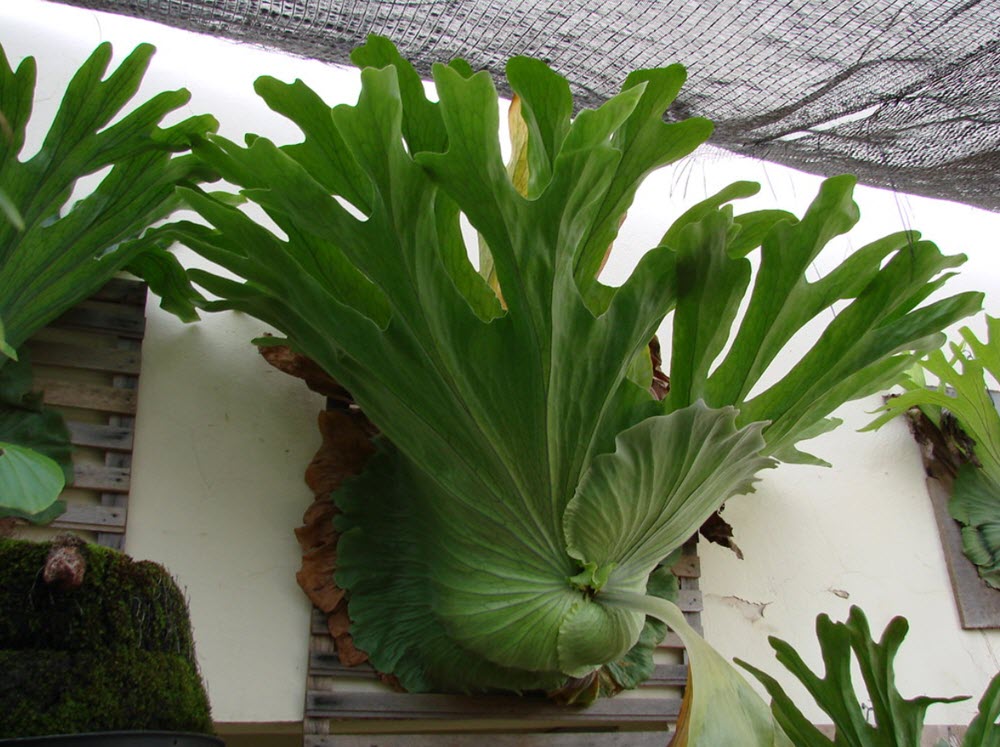
Ferns are found in many different parts of the world and have adapted to many different habitats, including habitats located in fairly cold parts of the temperate zone. We find the greatest abundance – and greatest diversity – of ferns in the tropics and subtropics. Tropical rainforests are especially prone to hold a huge diversity of ferns.
The oldest ferns
The oldest known fern-like fossils belong to the taxa Watteiza and have been dated to circa 390 million years ago, which shows that these plants existed as early as the middle Devonian period.
Many of the fern families that exist today do not appear in fossils until roughly 145 million years ago, during the early Cretaceous. At this point in Earth´s history, flowering plants had already begun to dominates many environments.
Some ferns species look and function very similar today as they did millions of years ago. The fern Osmunda claytoniana has, for instance, remained unchanged for at least 180 million years. Today, this fern is a popular plant in wildlife gardens, and also commonly utilized for habitat restoration projects and to prevent erosion on slopes.

Description
A fern consists of three major parts:
- Rhizome
- Fronds
- Sporangia
Rhizome
There are three different types of fern rhizome.
- The rhizome that grows erect. It often looks like a stem, and a tuft of fronds can develop from it. One example of a fern with an erect rhizome is the King fern (Ptisana salicina).
- The vertical rhizome that looks like a trunk. Can be short, medium or tall.
- The laterally growing rhizome that creeps underground or right on top of the ground, or climbs up a tree or similar structure.
Fronds
The leaves of the fern are called fronds, and they develop from the rhizome. Fronds are used for both photosynthesis and reproduction.
In many (but not all) fern species, there will be a stalk called the stipe and a flat blade called the lamina.
The fronds of a fern can be divided into a number of division. Such divisions are called pinnae.
New fronds are often tightly coiled into a spiral that will slowly uncoil over time. Such as spiral is called koru or fiddlehead.
Sporangia
Ferns reproduce via spores. The spores develop inside casings called sporangia, and the sporangia are located on the underside of the fronds. The sporangia need to break open to release the spores into the environment.
A frond with sporangia is called a fertile frond.
A cluster of sporangia is called sori.
Mosses vs. ferns
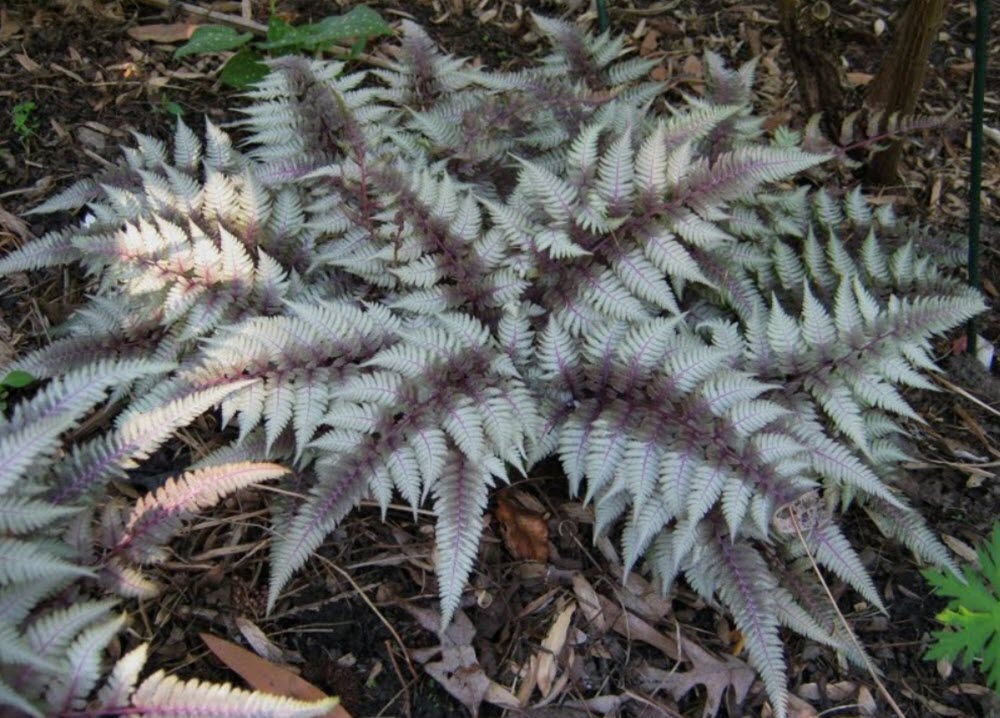
Just like ferns, mosses reproduce via spores, but mosses and ferns are not the same thing. Unlike mosses, ferns are vascular plants, which means that they have developed specialized tissue for transporting water and nutrients, and they have a life cycle where the sporophyte is the dominant phase.
The megaphyll leaves of the fern are more complex than the microphyll of the clubmosses, even though clubmosses can look rather similar to ferns.